CMHW Training Program Launch & Student Orientation
Building Skills. Strengthening Communities. Creating Lasting Impact.
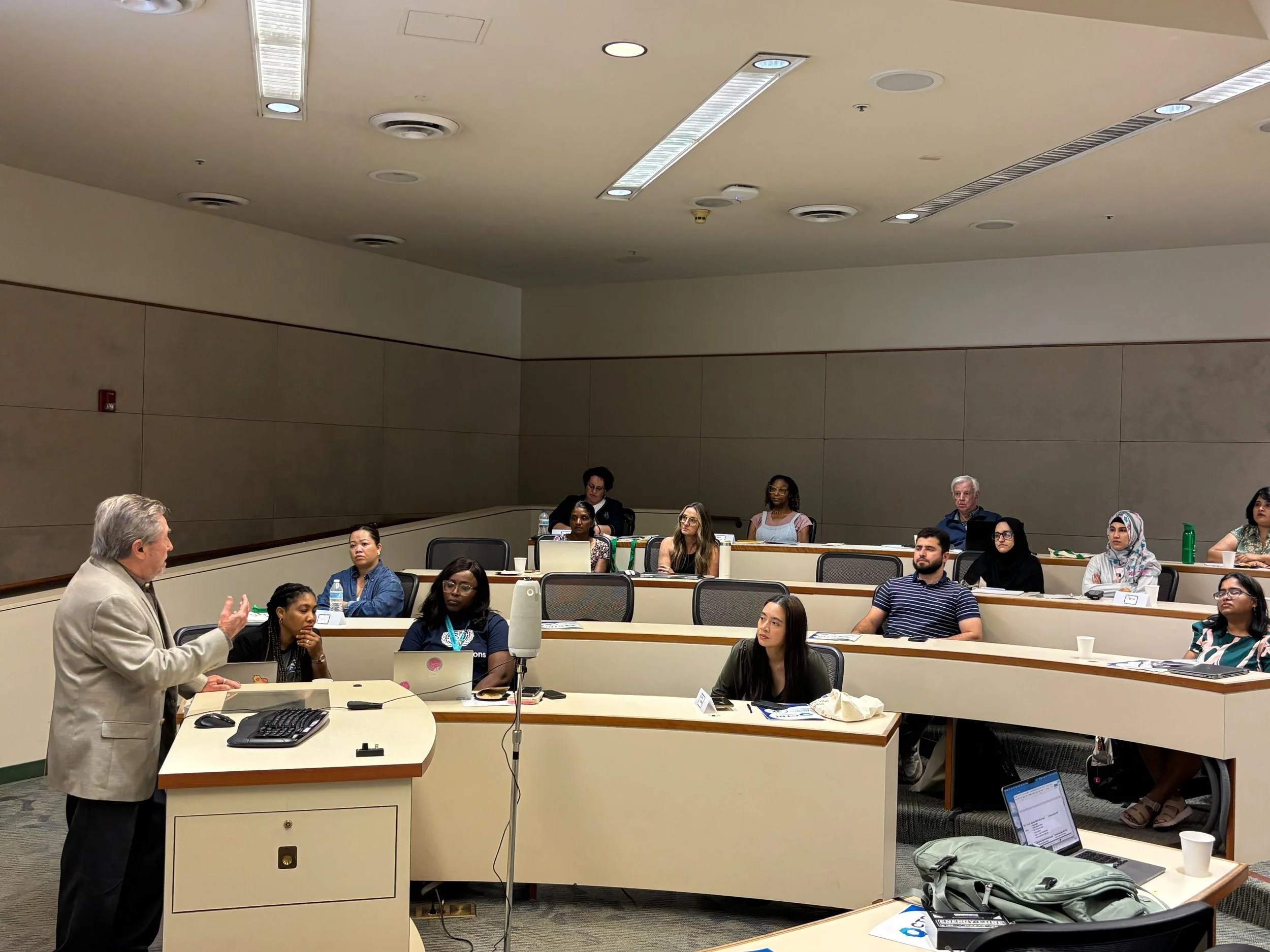
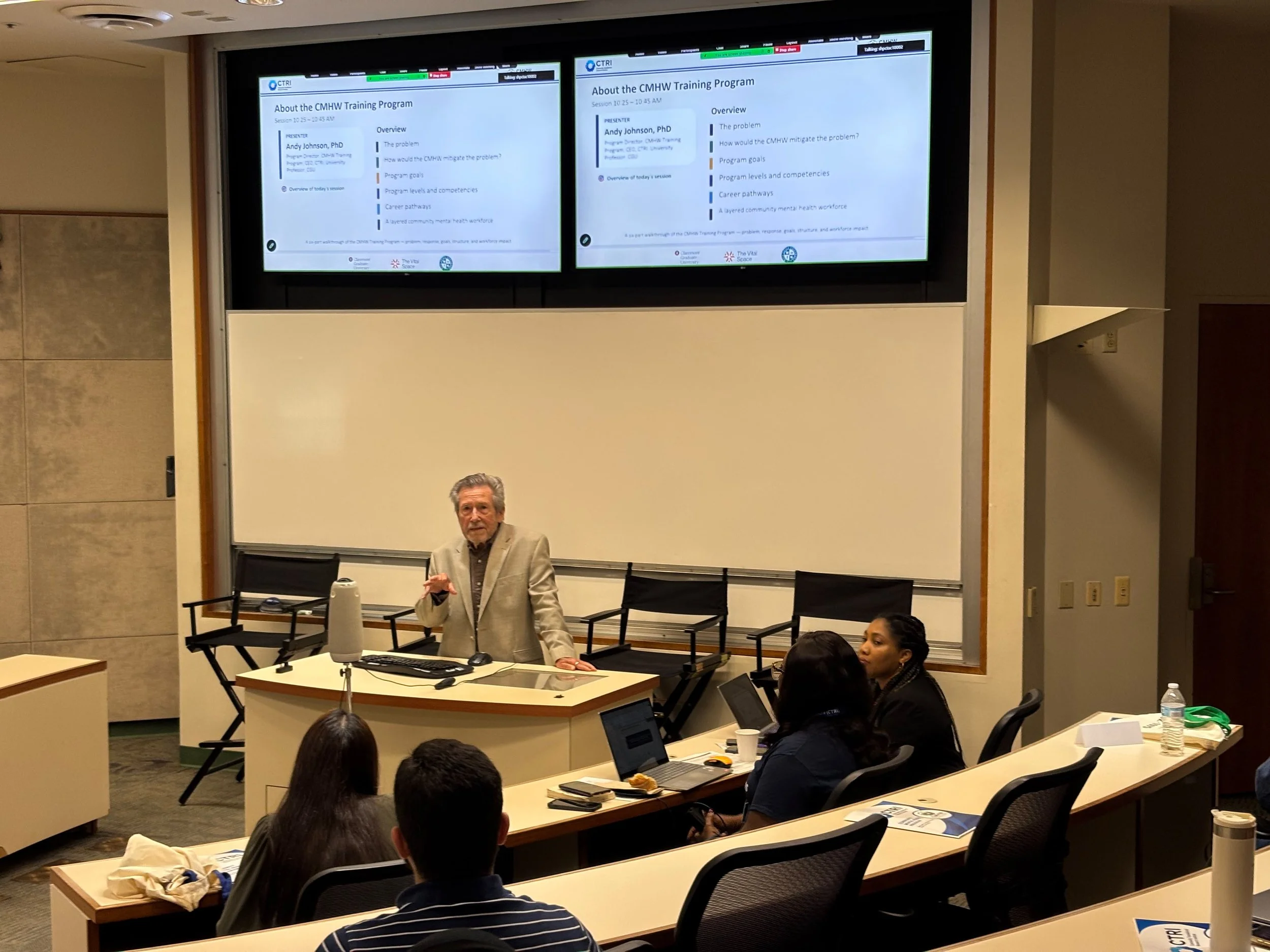
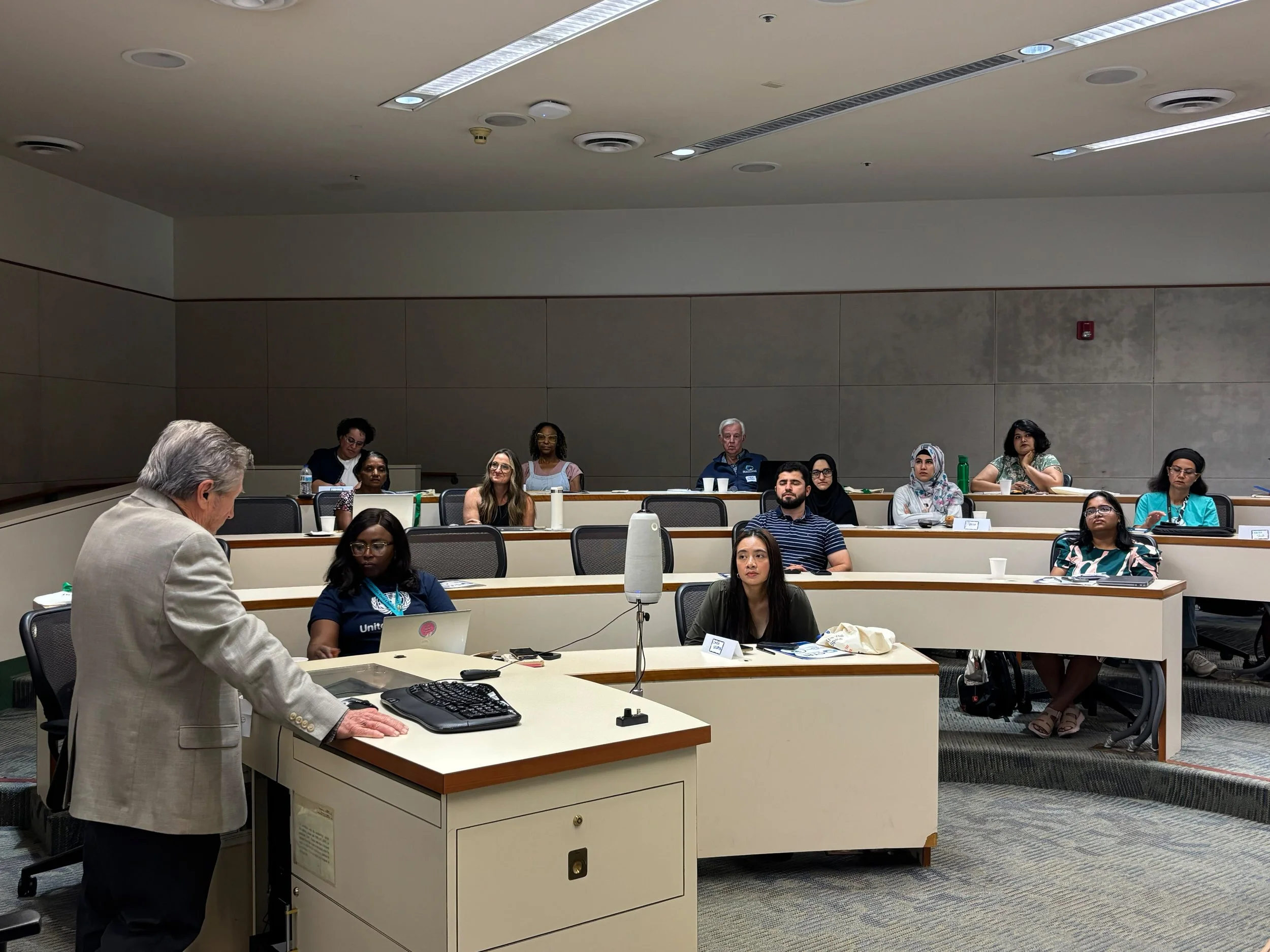
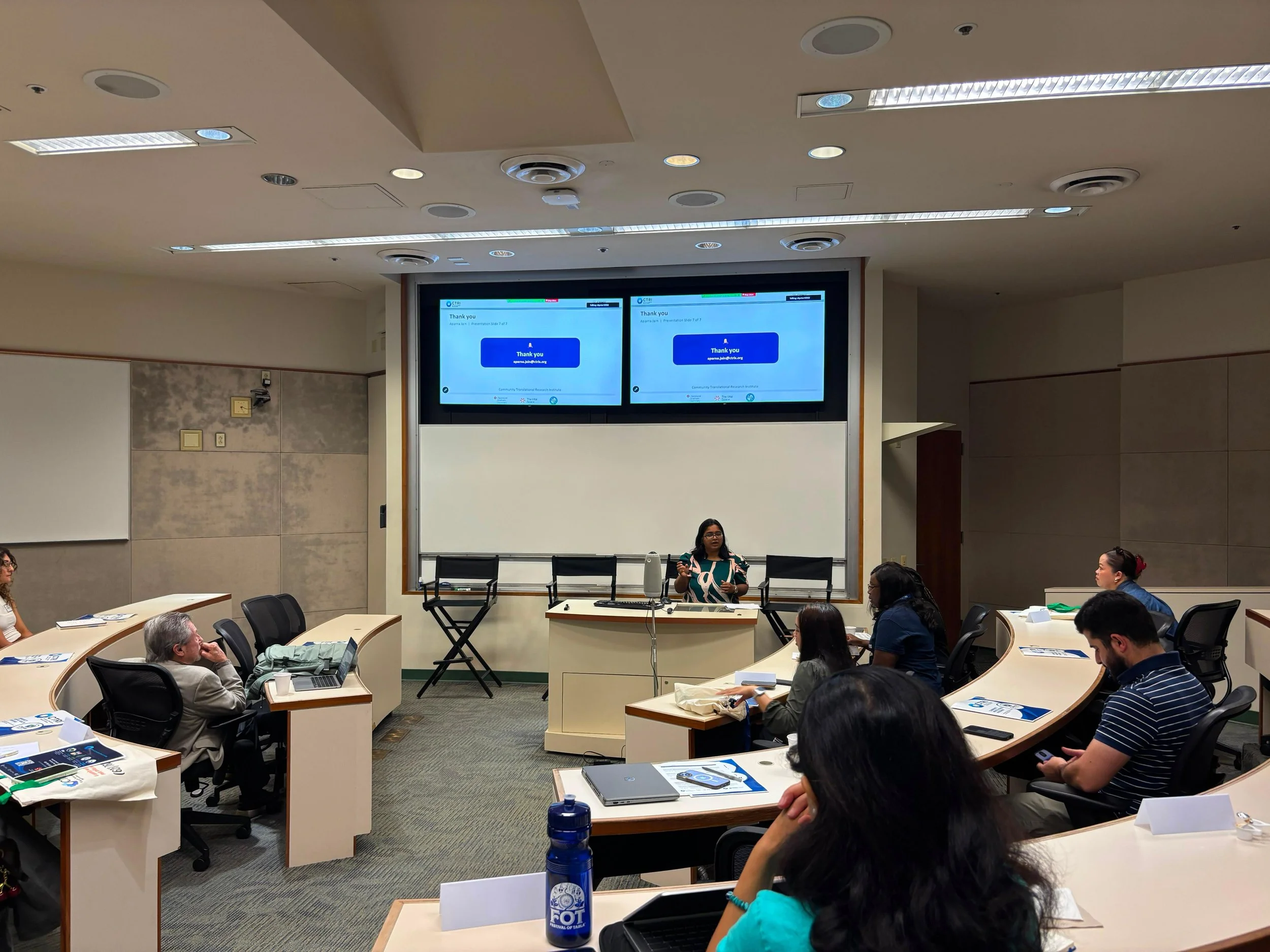
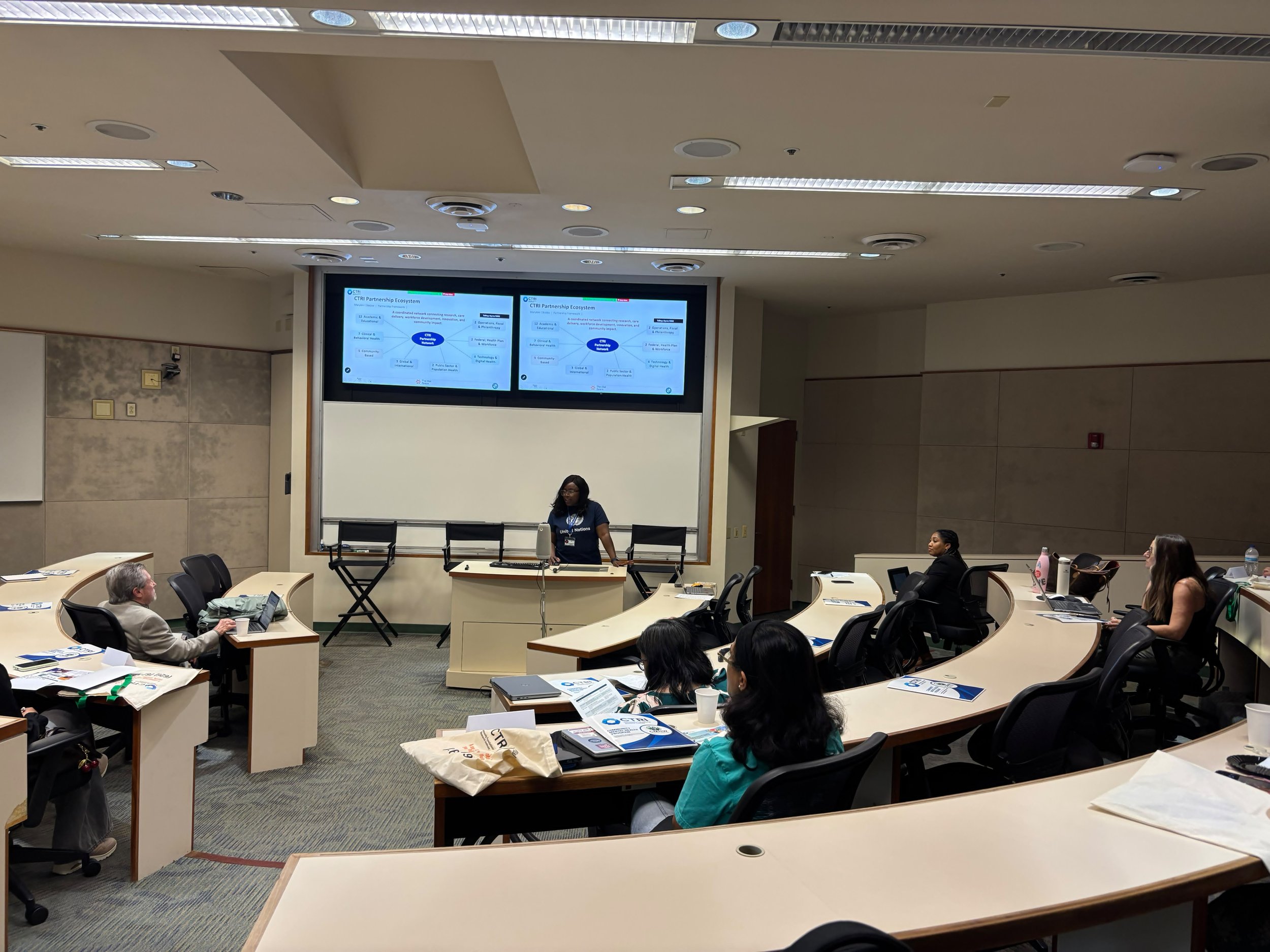
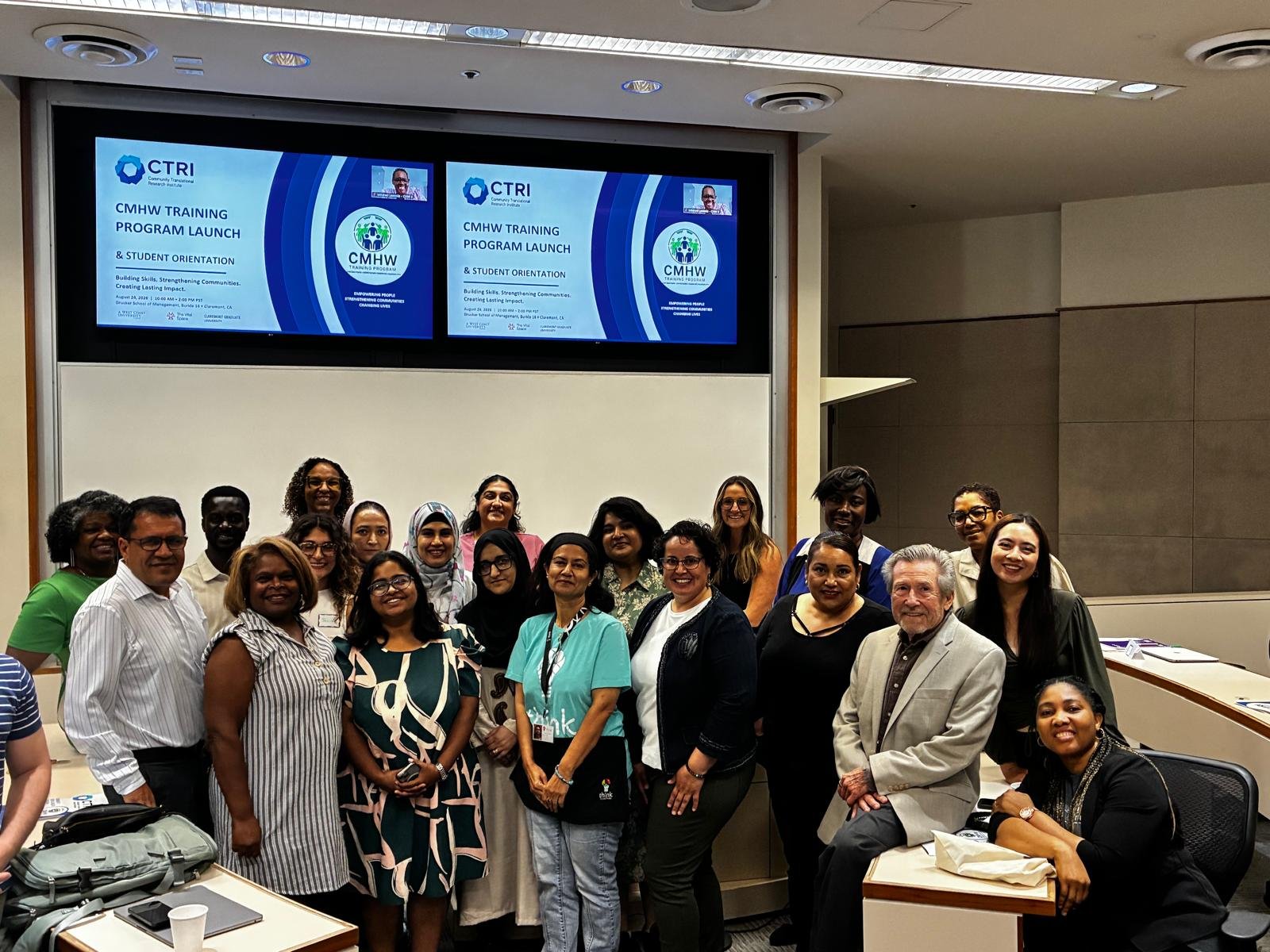
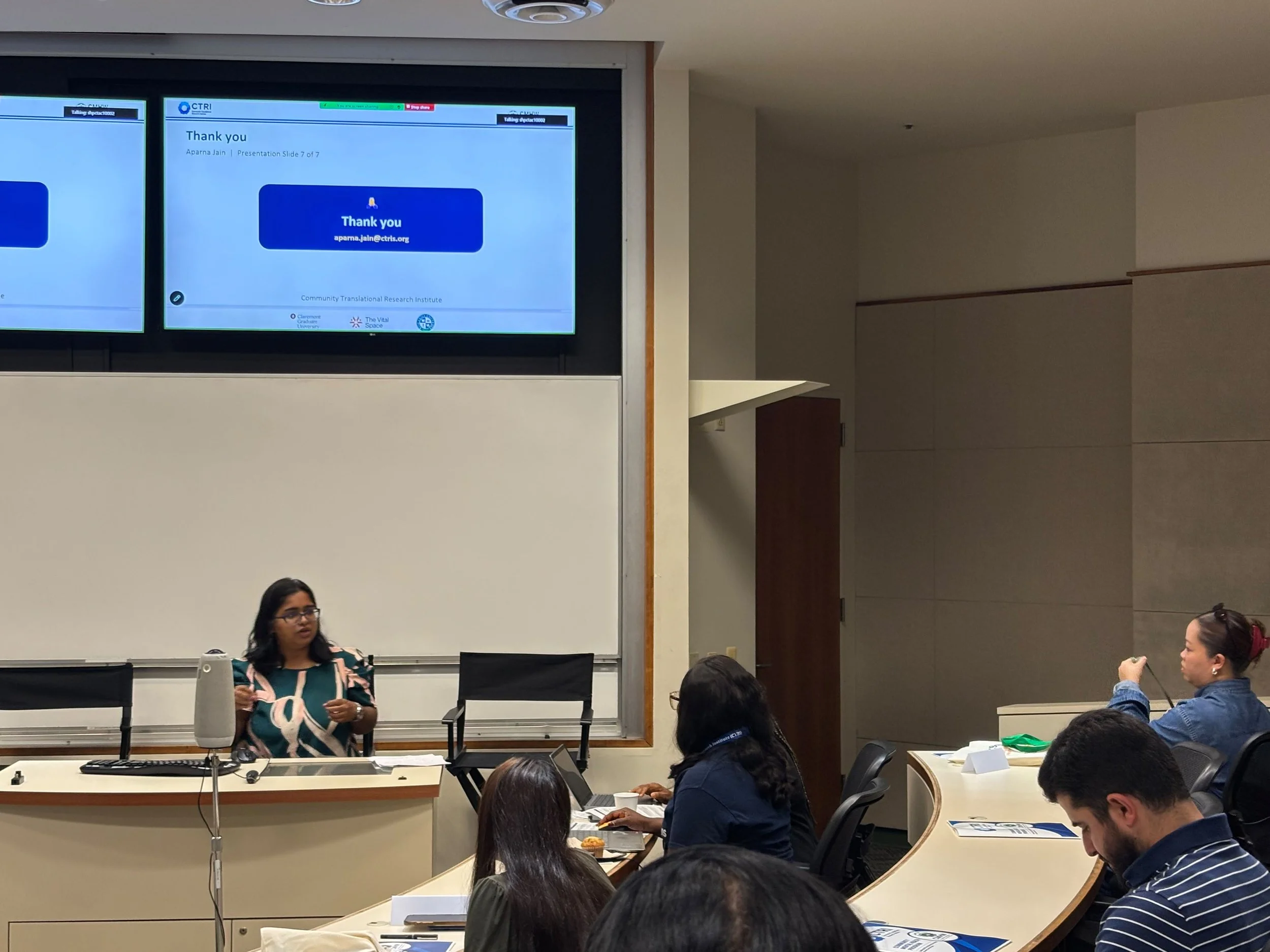
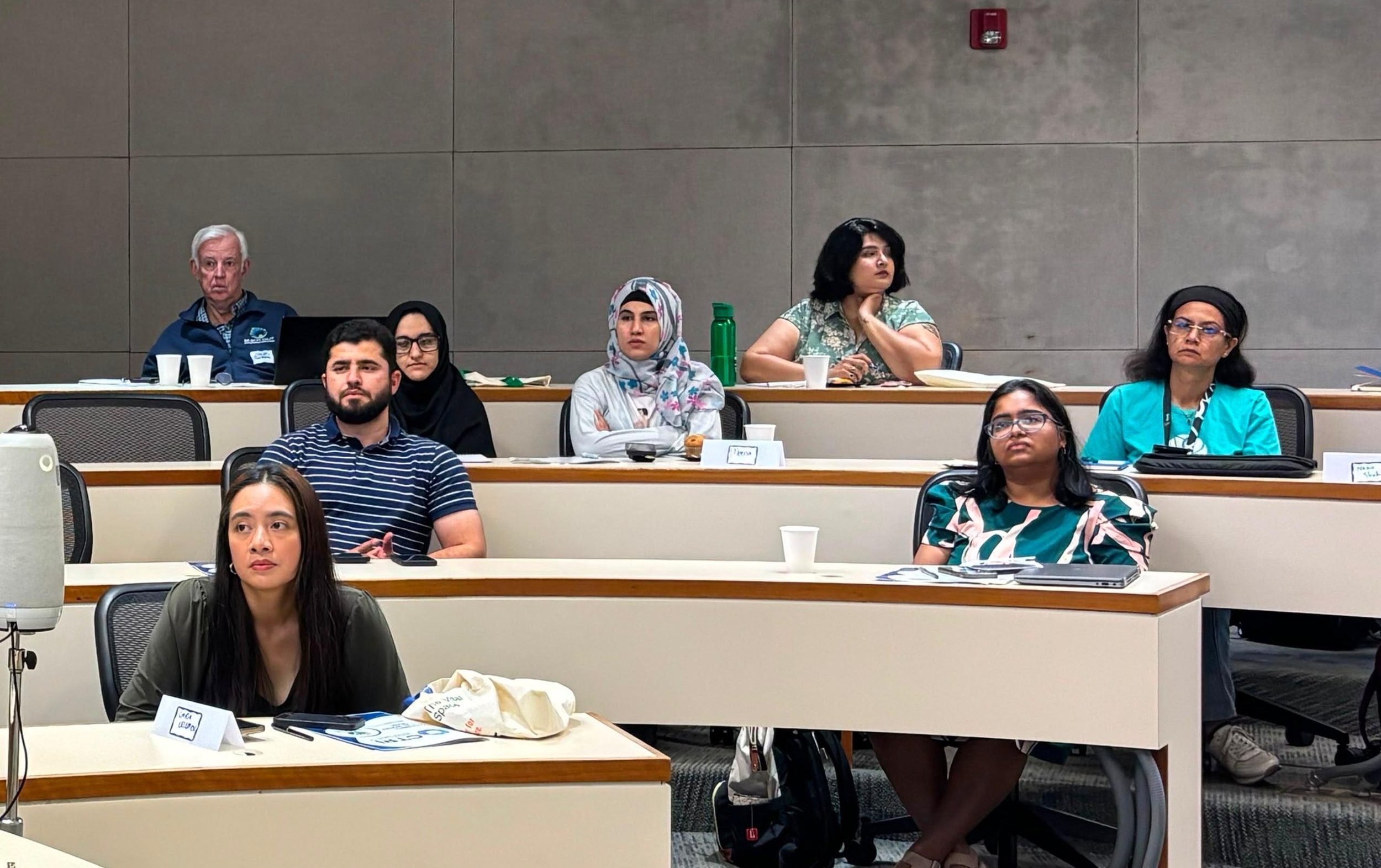
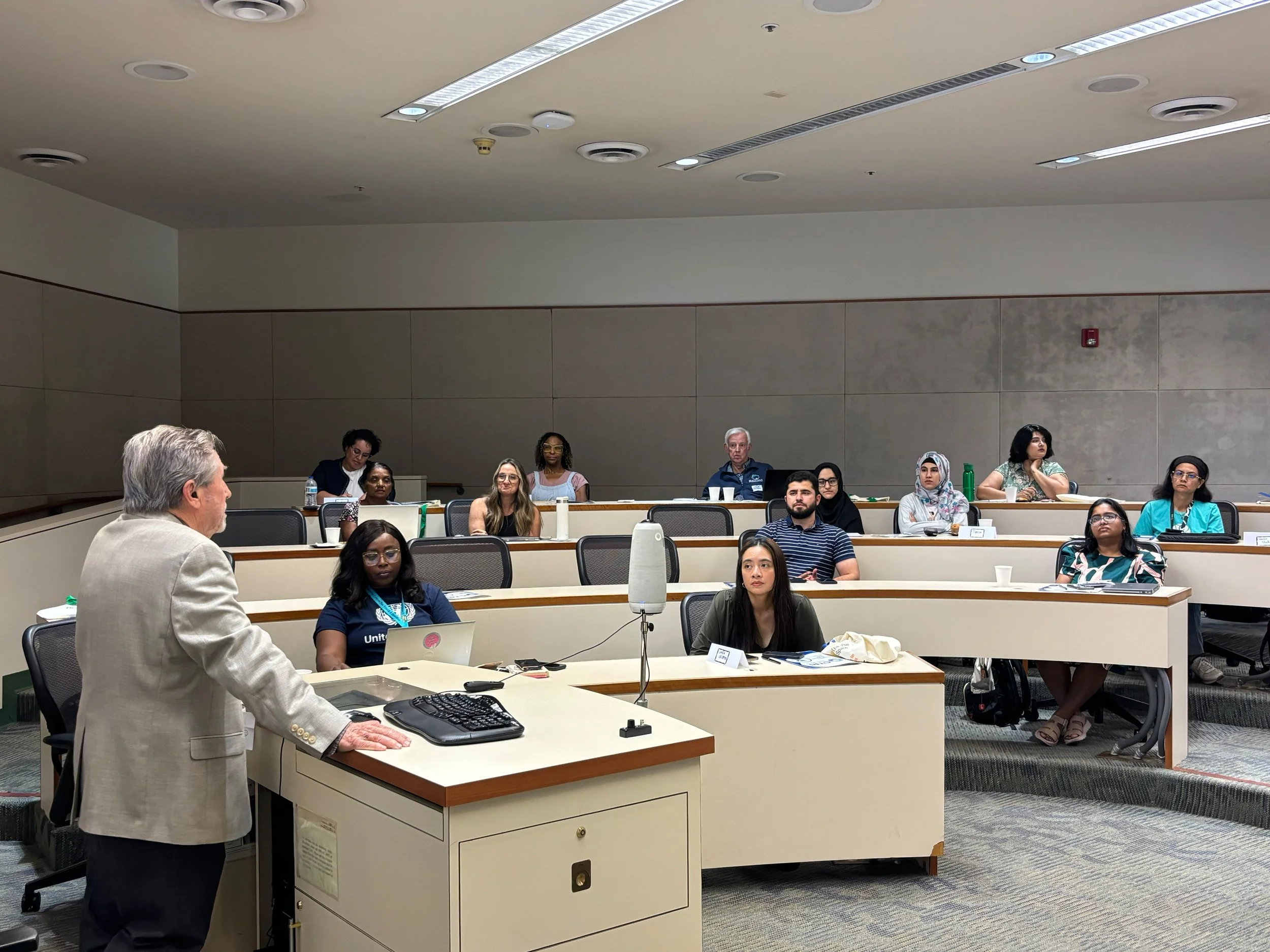
August 24, 2026 | Claremont, CAThe Community Translational Research Institute (CTRI) officially launched its Community Mental Health Worker (CMHW) Training Program with a student orientation at the Drucker School of Management, Claremont Graduate University. The event marked the beginning of CTRI’s first HRSA-funded CMHW cohort and brought together trainees, faculty, scientific leaders, program staff, community partners, university collaborators, behavioral-health professionals, and invited guests.
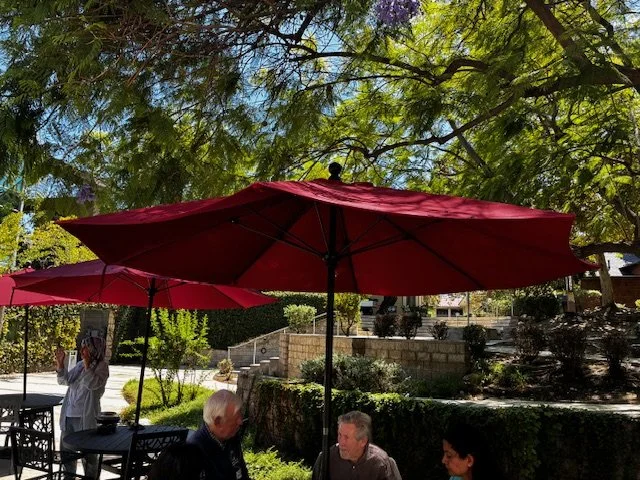
A Cohort Built on Community
The inaugural cohort includes 25 trainees representing diverse educational, professional, cultural, age, lived-experience, and community backgrounds. The program is designed to prepare a skilled, community-centered workforce for mental-health promotion, prevention, early intervention, navigation, and support.
One Program, Two Rooms
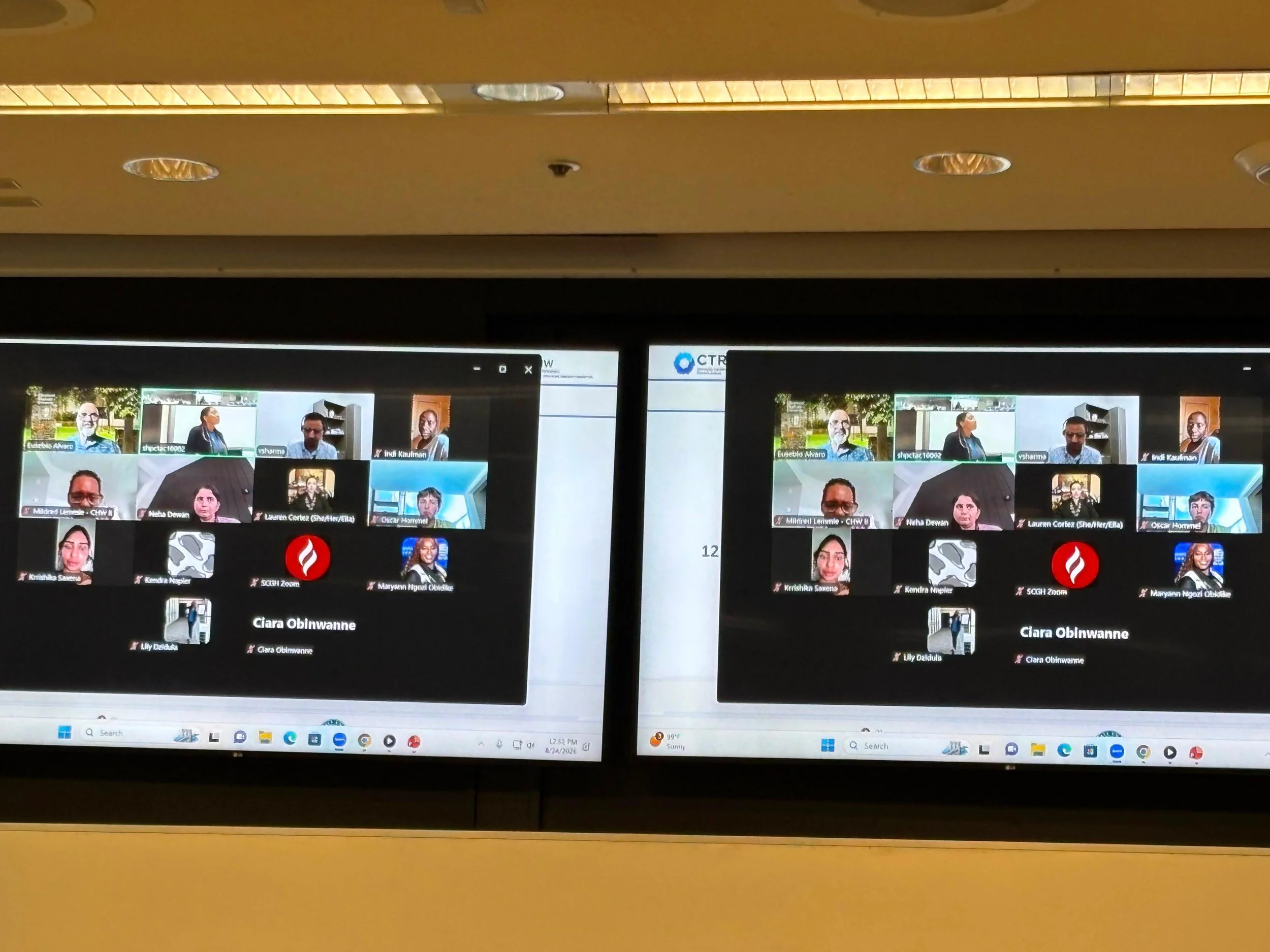
The orientation drew 40 attendees across a hybrid format: 27 joined in person and 13 online — 21 CMHW students plus 19 faculty, program staff, partners, and invited guests. This broader attendance is distinct from the 25-person trainee cohort and reflects the larger ecosystem supporting the program — trainees, faculty, program leadership, community partners, academic partners, workforce and behavioral-health collaborators, and other stakeholders.
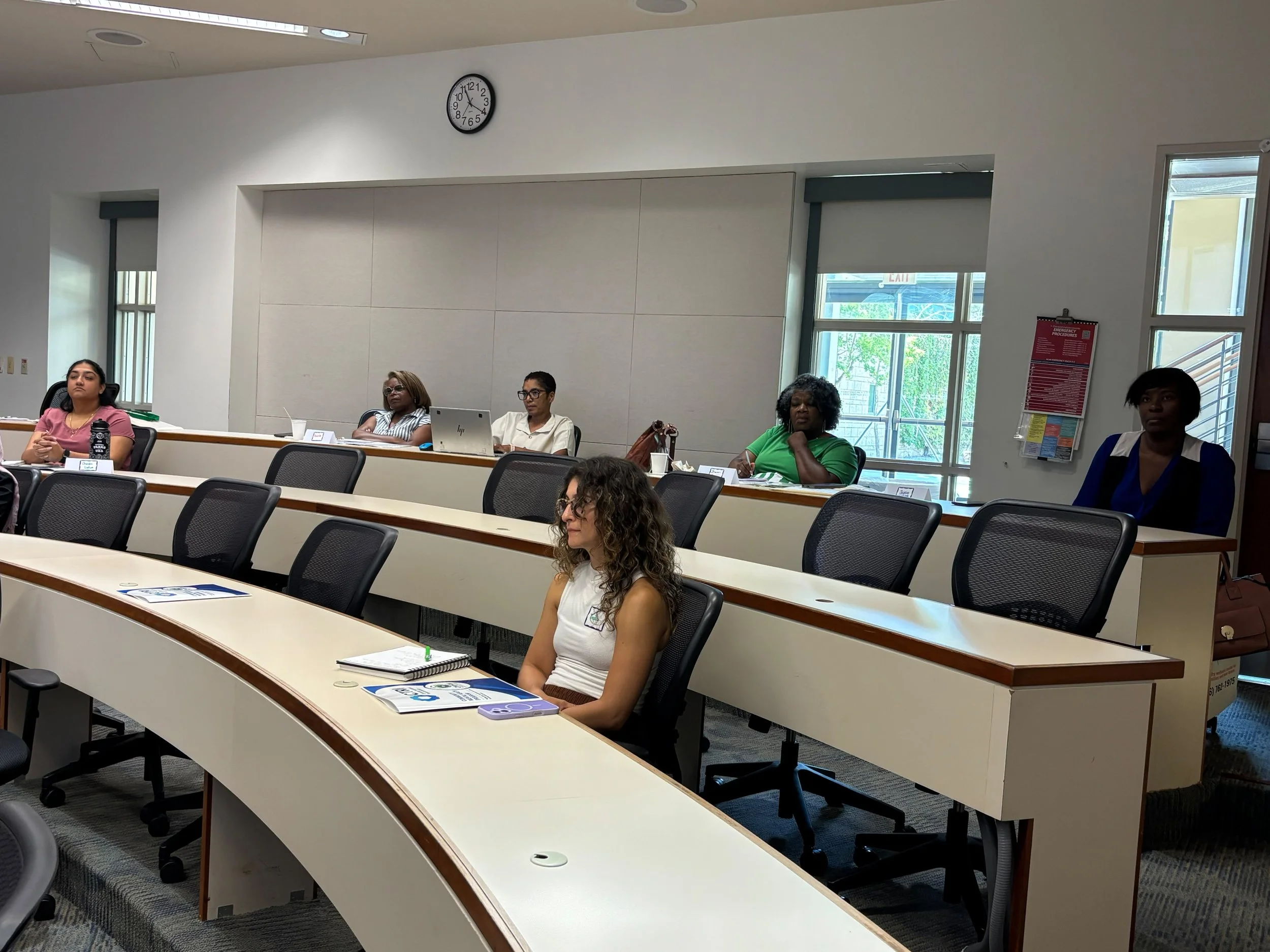
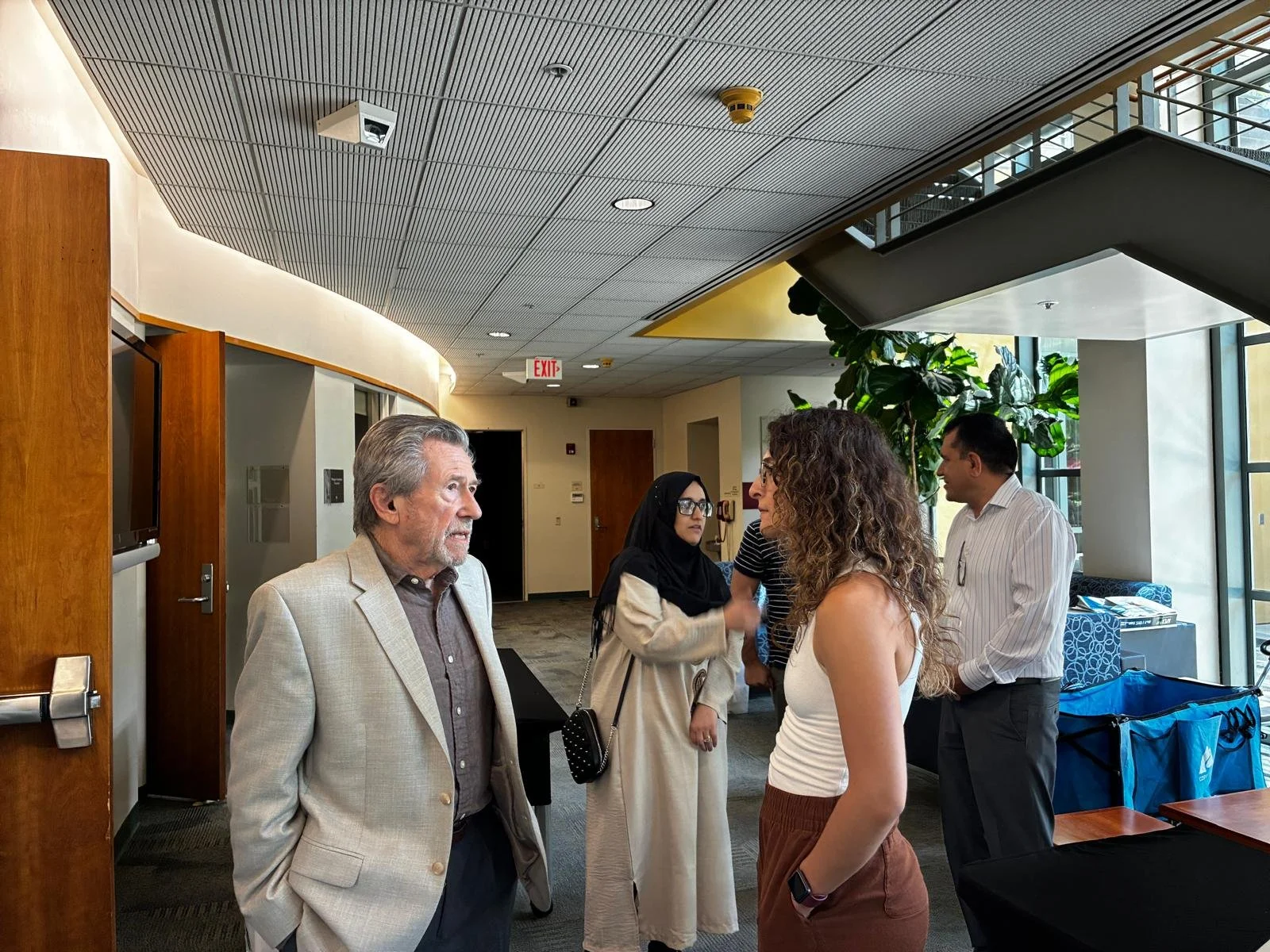
Faculty & scientific leadership
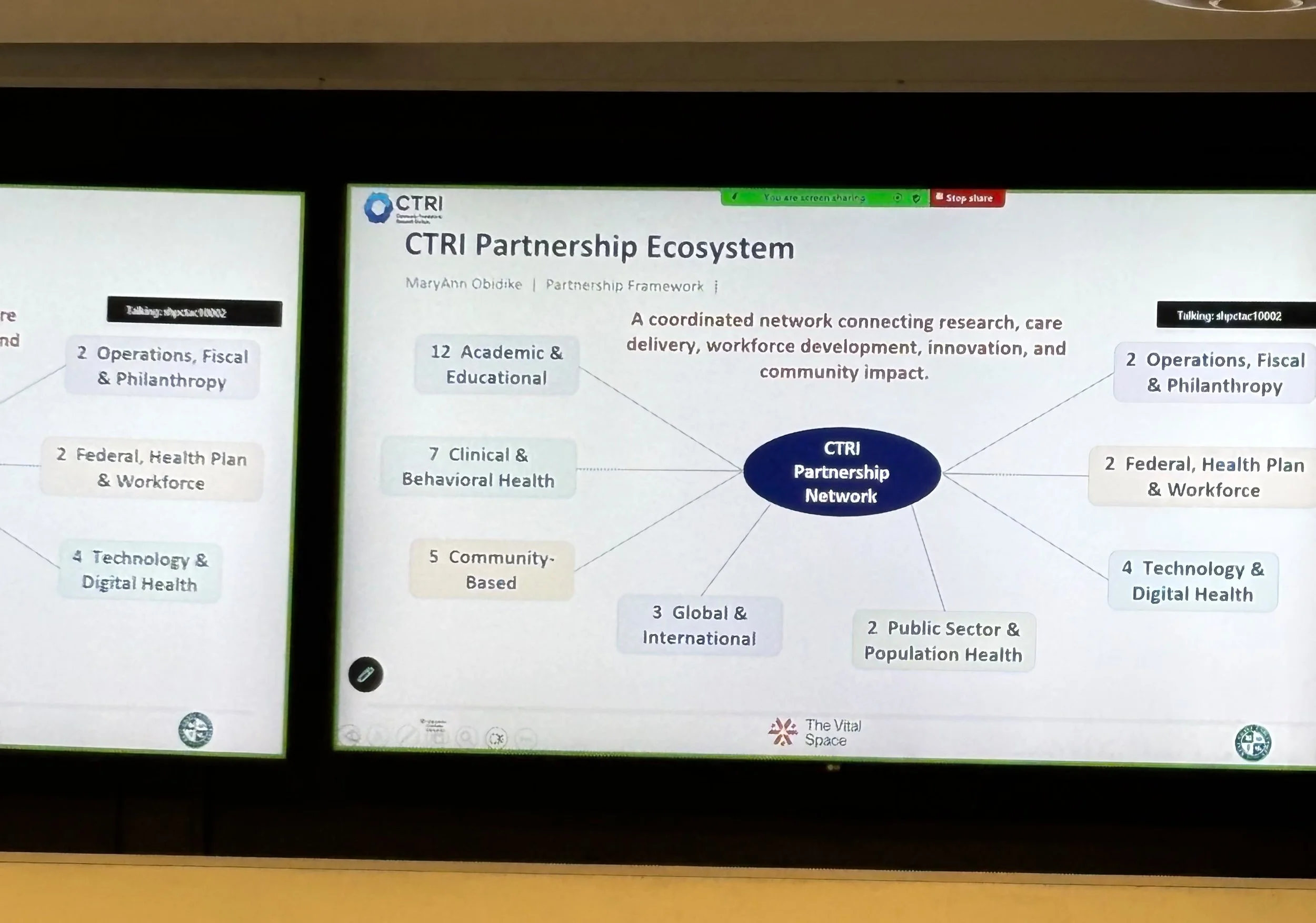
Faculty, instructors, scientific leaders, and consultants supporting the program span public health, psychiatry, behavioral science, community engagement, lifestyle psychiatry, mental-health technology, substance use, TMS, health communication, evaluation, workforce development, and professional practice.
Key program contributors include C. Anderson (Andy) Johnson, PhD; Eusebio Alvaro, PhD, MPH; David Baron, DO, MSEd; Alexandra Auslander, PhD, MPH, MS; Aparna Jain, MD, MPH; Michele Mouttapa, PhD; Doug Noordsy, MD; Abdul Shukoor Haidary, MD, MPH; Keerthy Sundar, MD; and additional faculty, consultants, and program staff.
A Multidisciplinary Learning Community
Orientation sessions introduced trainees to the social ecology of mental health and to the role of CMHWs within community-based and interdisciplinary systems of care.
Topics introduced at orientation
The social ecology of mental health
Lifestyle psychiatry and lifestyle mental health
Enhanced Care Management (ECM) and community health worker services
Integrated behavioral health and interdisciplinary care teams
CMHW program goals, HRSA workforce initiative, and career pathways (Level 1 → Level 2 apprenticeship)
Scholarship, stipend, and student support
About CTRI — mission, research programs, and community partnerships
Student expectations, academic success, and workforce development
Navigating student platforms and resources
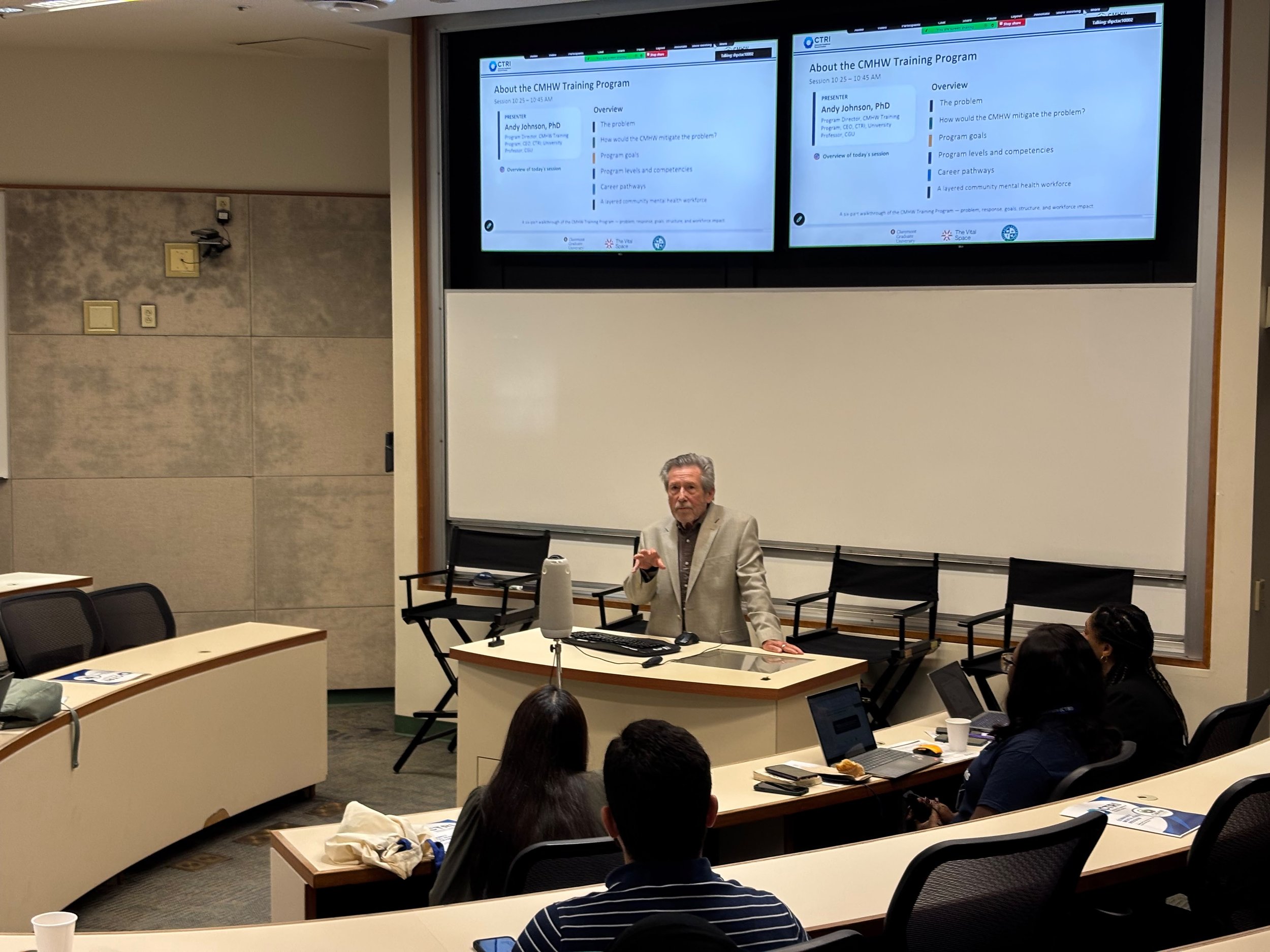
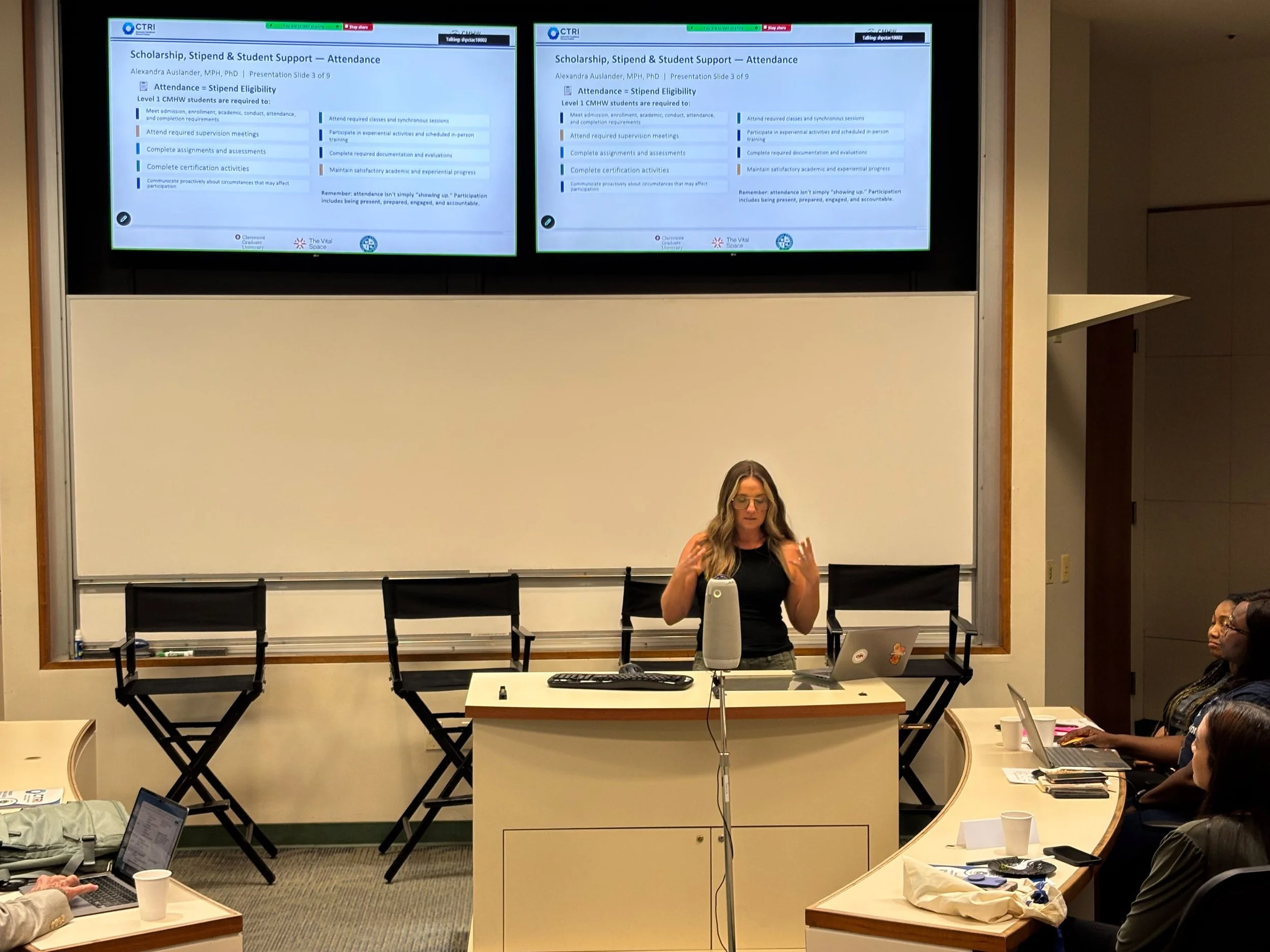
Connection Beyond the Classroom
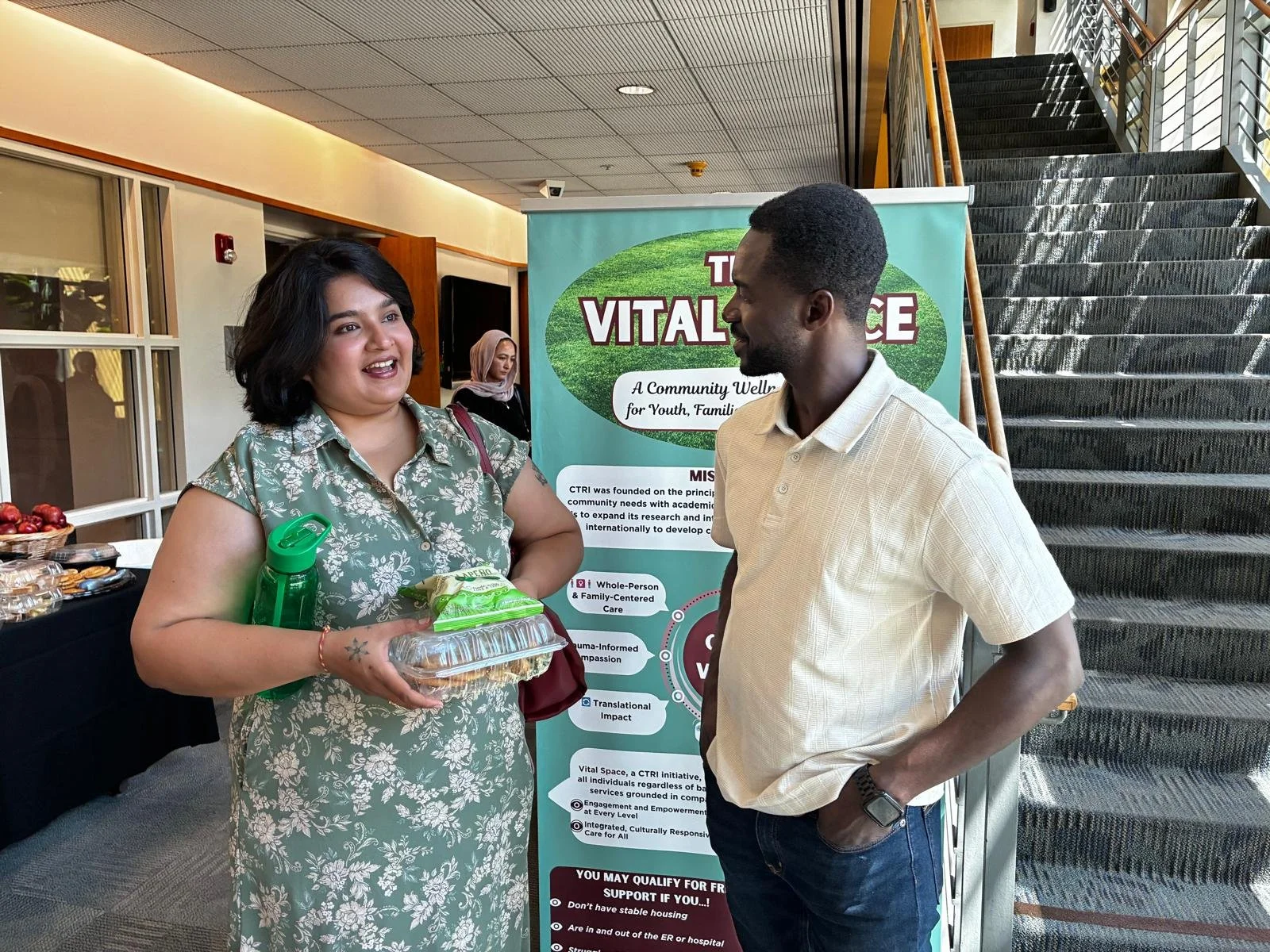
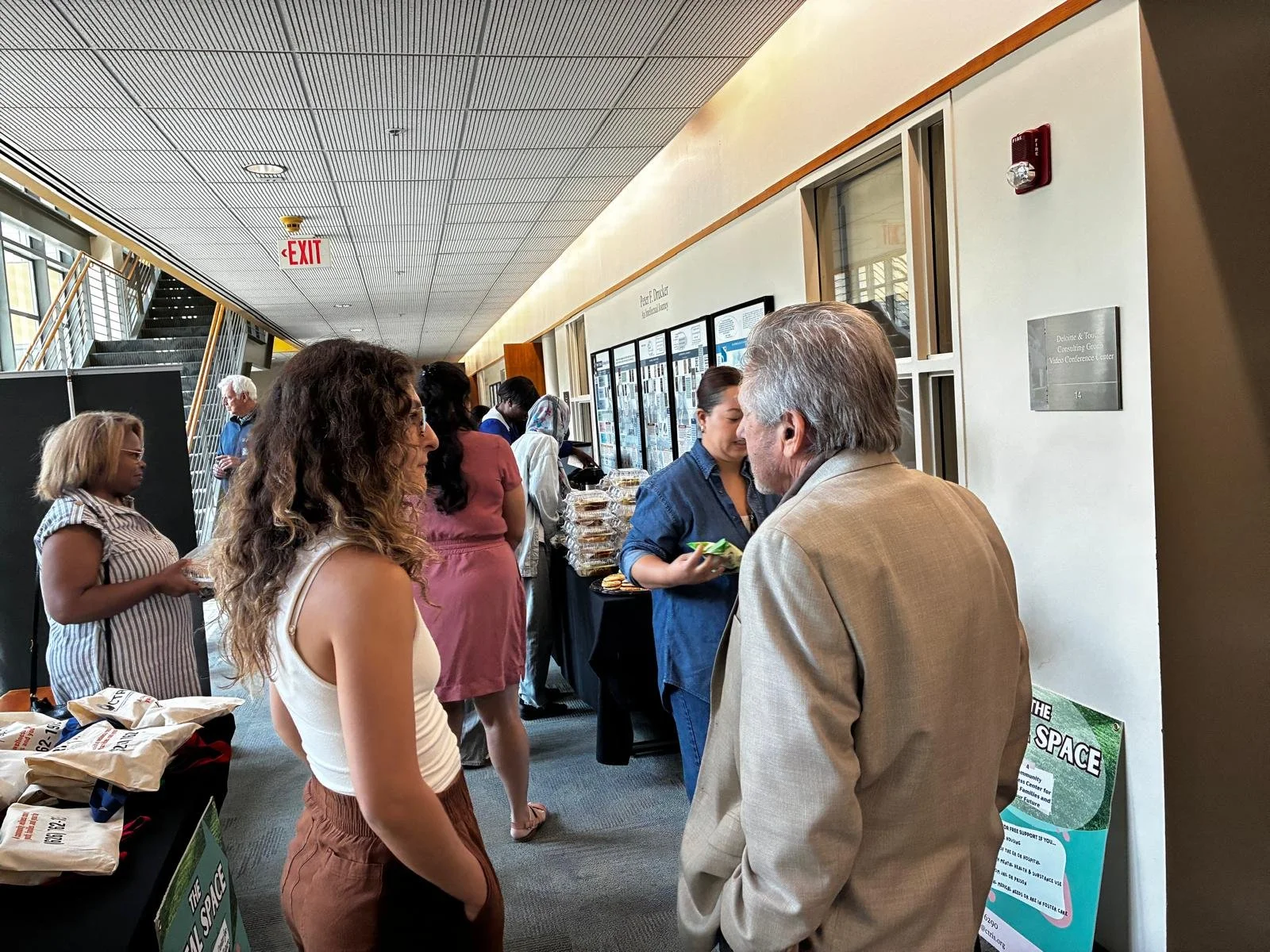
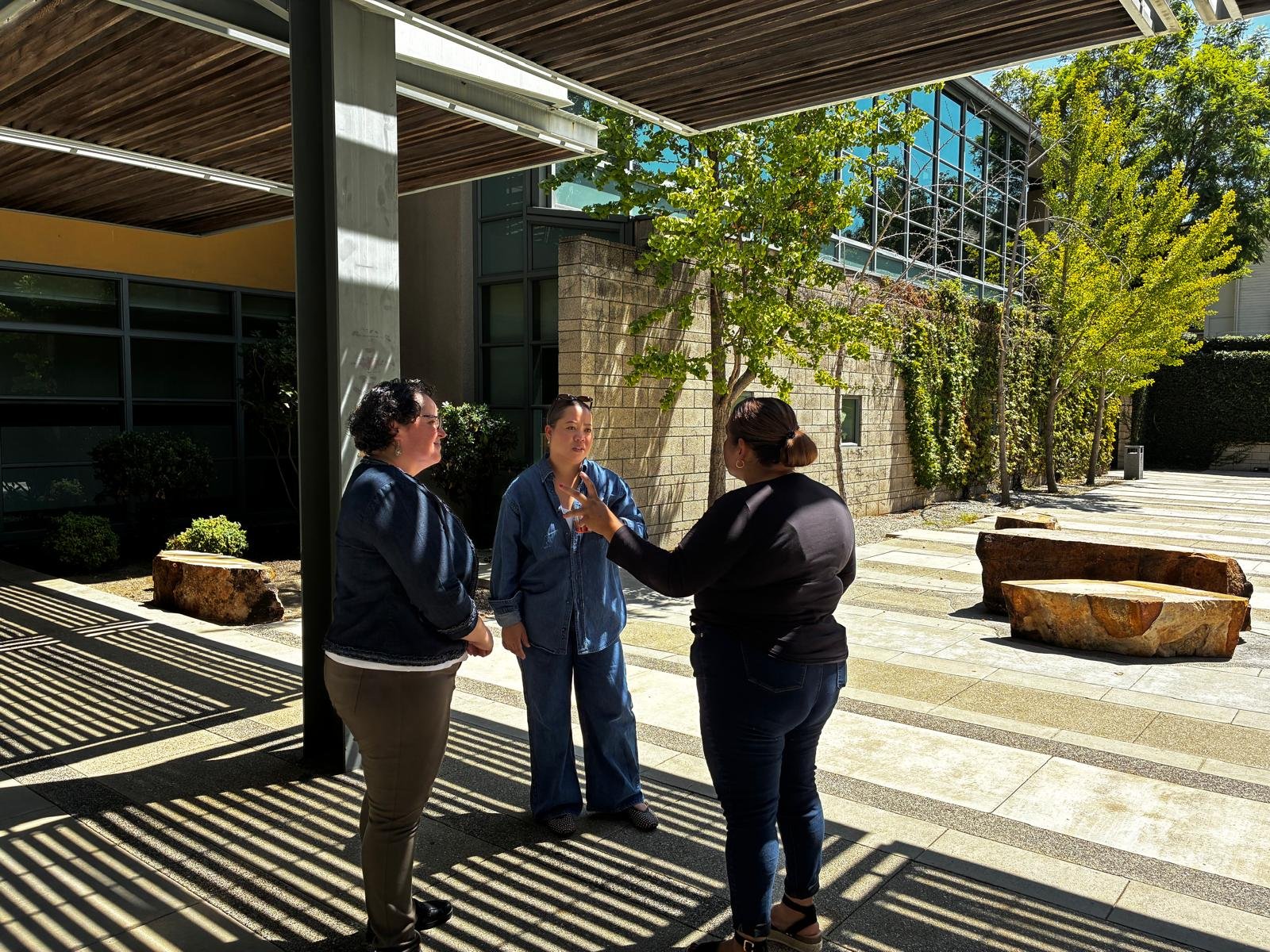
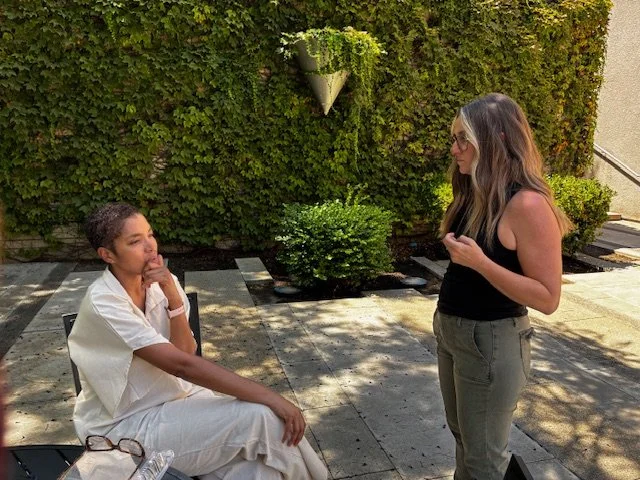
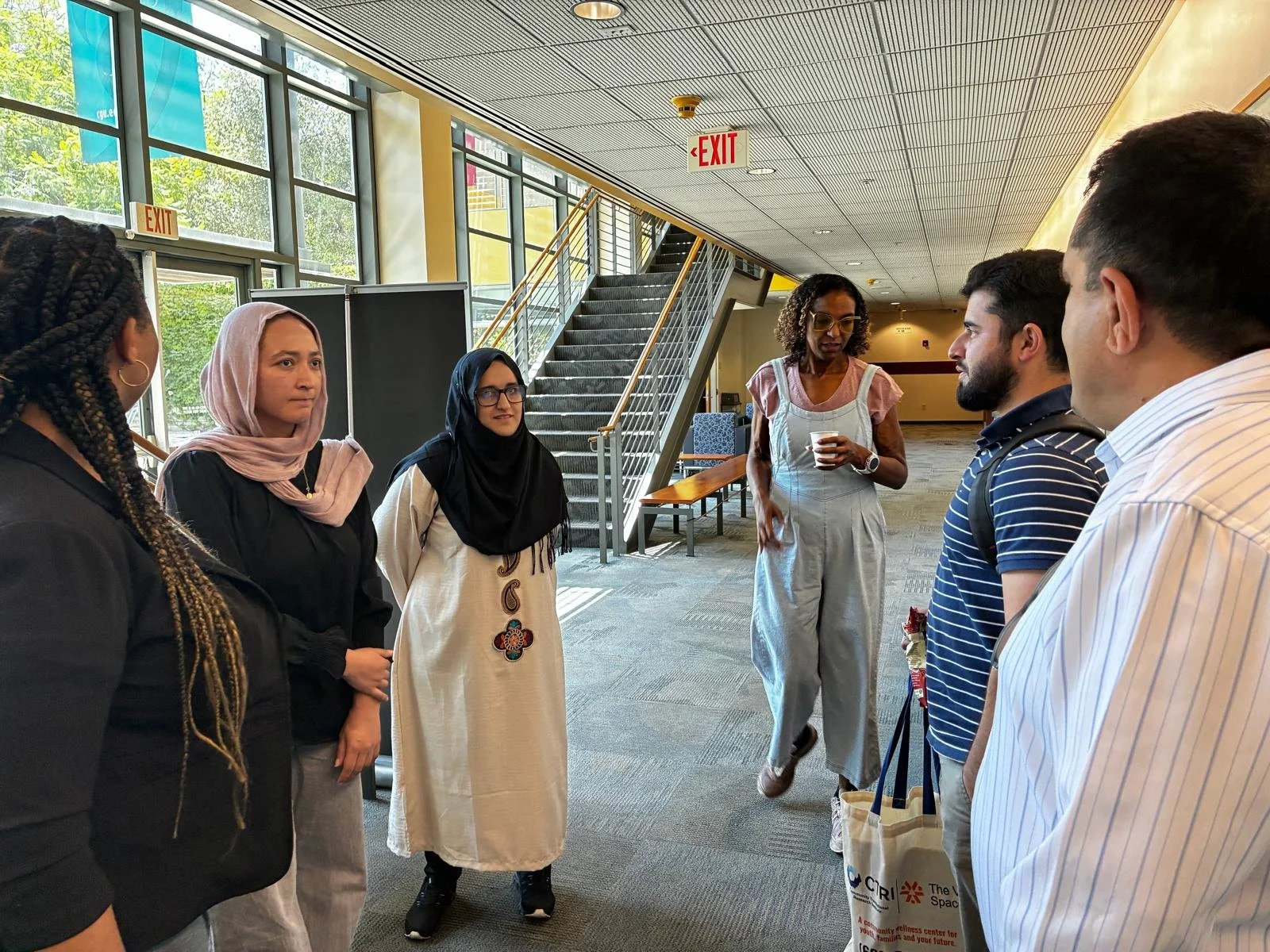
Orientation created space for networking, discussion, and relationship-building among trainees, faculty, and partners — the informal connections that sustain a community-centered workforce long after the first day of class.
From Orientation to Community Impact
The August 24 launch was more than a first day of training. It represented the start of a workforce-development journey designed to strengthen connections among individuals, families, community organizations, health systems, behavioral-health providers, and community resources.
Through hybrid instruction, applied learning, mentorship, and experiential opportunities, CMHW trainees will build skills to support mental-health promotion, prevention, early identification, navigation, care coordination, community education, culturally responsive engagement, and reduction of barriers to care.