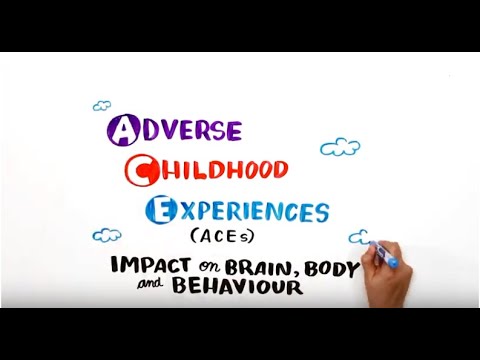
Adverse Childhood Experiences (ACEs) negatively impact brain development, leading to lifelong emotional, cognitive, and health issues. Toxic stress from ACEs affects brain centers responsible for learning, emotion regulation, and memory. Positive relationships and supportive environments can mitigate these effects, emphasizing the importance of nurturing interactions for healthy child development.

Social determinants of health are the conditions where people live, work, and play, and they can affect well-being as much as genetics does. The U.S. Department of Health and Human Services identifies five main factors: access to quality health care, economic stability, education, built environment, and social environment. Public health efforts aim to address these factors through policy, funding, and community support.

Albert Bandura, a Canadian-American psychologist, developed Social Cognitive Theory, emphasizing learning through observation and self-efficacy. He criticized behaviorism for neglecting thought processes in learning. Key concepts include modeling, self-efficacy, and the dynamic interplay of social influences, personal agency, and achievement, highlighting how beliefs affect abilities and resilience in learning.

Motivation is not just about quantity but quality. Ed Deci emphasizes the importance of autonomous motivation over controlled motivation, highlighting that autonomy leads to better performance, creativity, and well-being. By creating supportive environments that foster autonomy, individuals can motivate themselves, leading to deeper learning and healthier lifestyles.

Adverse Childhood Experiences (ACEs) are traumatic events that can lead to toxic stress, negatively impacting children's developing brains and bodies. This stress can cause long-term health issues, including heart disease and depression. However, supportive relationships and interventions can mitigate these risks, promoting better mental and physical health outcomes.
